
Expert Support
Available 24/7 via chat
Available 24/7 via chat

Air quality plays a critical role in creating safe, comfortable, and healthy environments, whether in industrial settings or residential spaces.
One of the most effective tools for improving air quality is the activated carbon air filter. These filters are designed to capture a wide range of harmful particles, gases, and odors, providing cleaner air and reducing the risk of respiratory problems and other health issues.
Activated carbon air filters are highly valued for their ability to adsorb pollutants, making them an essential component in industries like manufacturing, healthcare, hospitality, and automotive.
They are also widely used in homes and offices to remove unpleasant smells and volatile organic compounds (VOCs), ensuring a fresh and healthy living space.
In various settings, whether it’s a commercial space dealing with chemical fumes or a residential kitchen battling lingering cooking odors, air filtration is vital. Activated carbon air filters offer an efficient solution to ensure the air remains clean, safe, and free from harmful contaminants.
Activated carbon air filters are a specialized type of air filter designed to remove harmful gases, odors, and other airborne pollutants. These filters work by using activated carbon, a highly porous material, to adsorb contaminants from the air, making it cleaner and healthier to breathe. Let’s explore how activated carbon works and the key components of these air filters.
Activated carbon, also known as activated charcoal, is a form of carbon that has been treated with oxygen to open up millions of tiny pores between its carbon atoms. This process increases the surface area of the material, giving it the ability to trap a vast number of contaminants.
The high surface area and porous structure of activated carbon make it an ideal material for filtering out pollutants. It works through a process called adsorption, where gases, odors, and chemicals stick to the surface of the carbon rather than being absorbed into it.
This allows activated carbon to effectively capture a wide range of airborne contaminants, including volatile organic compounds (VOCs), smoke, chemicals, and odors from cooking or industrial processes.
Activated carbon air filters are typically composed of several key components that work together to capture pollutants from the air:
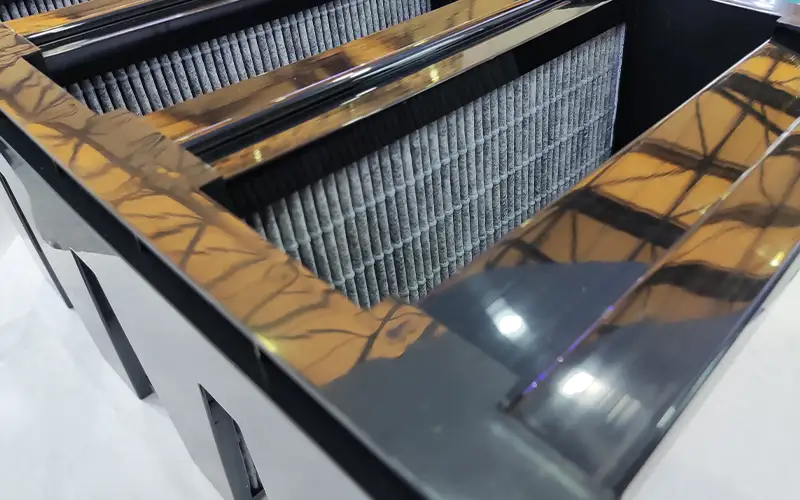
Activated carbon air filters are known for their ability to remove a wide variety of airborne contaminants, making them a crucial part of air purification systems in both residential and industrial settings. But what makes these filters so effective?
The secret lies in the process of adsorption and the filter’s ability to capture harmful gases, odors, and chemicals from the air. Let’s break down how these filters work.
Activated carbon air filters operate based on a principle called adsorption, which is different from absorption.
While absorption involves a substance being soaked up into another material, adsorption refers to the process where molecules or particles stick to the surface of a solid material—in this case, activated carbon.
Activated carbon is highly porous, with millions of tiny pores that give it an enormous surface area. In fact, one gram of activated carbon can have a surface area of up to 1,000 square meters! This extensive surface area is crucial in attracting and trapping particles from the air.
When air flows through an activated carbon filter, contaminants like gases, volatile organic compounds (VOCs), and odors are drawn to the carbon surface. Once they come in contact with the carbon, these contaminants adhere to the pores of the activated carbon, effectively removing them from the air and preventing them from circulating back into the environment.
This process makes activated carbon filters especially effective at targeting gases, chemicals, and odors that are too small to be trapped by other types of filters, such as HEPA filters.
One of the key advantages of activated carbon air filters is their ability to remove a wide range of gases, odors, and chemicals from the air. Here are a few of the contaminants that activated carbon filters are particularly effective at removing:
Activated carbon air filters are highly effective tools for improving air quality by removing a wide range of harmful pollutants, chemicals, and odors from the air. These filters offer numerous benefits in both residential and industrial applications, helping create cleaner, healthier environments. Let’s explore the key benefits of using activated carbon air filters.
One of the most significant benefits of activated carbon air filters is their ability to improve air quality. These filters are especially effective at removing harmful airborne contaminants such as gases, volatile organic compounds (VOCs), and fine particles that can contribute to poor indoor air quality.
Whether in a home, office, or industrial setting, activated carbon air filters help create a cleaner environment by trapping pollutants that can cause respiratory issues, allergies, or long-term health problems.
For individuals who suffer from asthma, allergies, or other respiratory conditions, activated carbon filters can play an important role in reducing irritants in the air, leading to better overall health and well-being.
Activated carbon air filters are renowned for their odor removal capabilities. Whether it’s the lingering smell of cooking, smoke, pet odors, or even the chemical scents from cleaning products, activated carbon filters can effectively neutralize these unwanted smells. The highly porous surface of the activated carbon adsorbs the odor molecules, preventing them from circulating in the air and leaving the space smelling fresh and clean.
In addition to odors, activated carbon filters are highly effective at reducing volatile organic compounds (VOCs)—harmful chemicals that can be released into the air from various sources, such as paints, solvents, perfumes, and building materials. VOCs are not only unpleasant but also pose health risks, especially in poorly ventilated spaces. Activated carbon filters help trap these chemicals, reducing their presence in the air and creating a healthier environment.
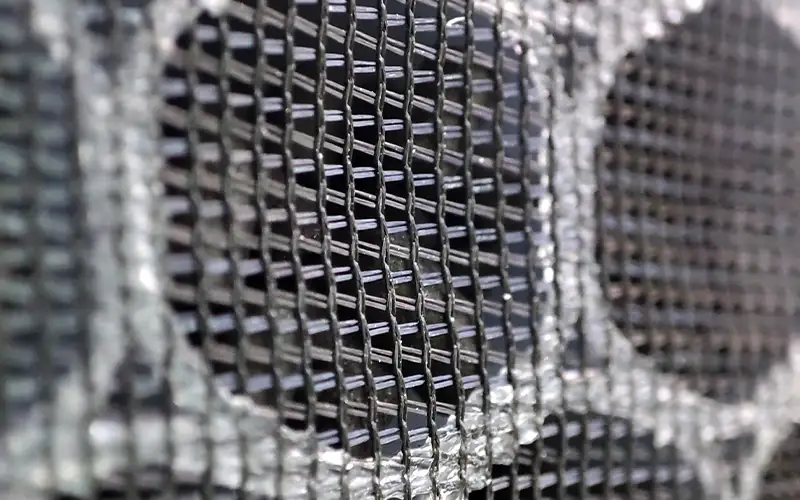
Activated carbon air filters are widely used across a variety of industries due to their versatility and effectiveness in removing contaminants. Here are some common applications:
Activated carbon air filters are a popular choice for many individuals and businesses looking to improve air quality.
These filters offer several advantages, from cost-effectiveness to long-lasting efficiency, making them an excellent solution for a variety of air filtration needs. Here are some key reasons why you should consider using activated carbon air filters:
Activated carbon air filters are an affordable option for air filtration, especially when compared to other advanced technologies like HEPA or UV filters.
The materials used in activated carbon filters are relatively inexpensive, and the filters themselves provide high efficiency at a reasonable price. This makes them an ideal choice for both residential and commercial applications where budget constraints may exist.
Over time, the cost-effectiveness of these filters also becomes apparent, as they reduce the need for frequent replacements or the use of multiple types of filters to tackle various pollutants.
One of the standout features of activated carbon air filters is their long-lasting efficiency. Due to the high surface area of activated carbon, these filters can adsorb a large number of contaminants before needing to be replaced.
They are particularly effective at trapping gases, odors, and volatile organic compounds (VOCs), which are often difficult to filter out with traditional air filters.
The ability of activated carbon to adsorb contaminants over a long period helps maintain consistent air quality without requiring frequent filter changes, providing excellent value over time.
Additionally, regular maintenance and proper usage can significantly extend the lifespan of these filters.
Activated carbon air filters also offer a positive environmental impact. By removing harmful gases, chemicals, and odors from the air, they help reduce air pollution both indoors and outdoors.
The carbon used in the filters is often made from sustainable materials, such as coconut shells or wood, making it a more eco-friendly option compared to other filtration methods.
Furthermore, the adsorbent properties of activated carbon mean that fewer filters need to be disposed of compared to other filtration technologies, contributing to reduced waste.
Activated carbon air filters are a scientifically proven solution for improving air quality by removing harmful contaminants, gases, and odors.
Through the process of adsorption, these filters effectively trap pollutants, making them ideal for use in a variety of settings, from industrial environments to residential homes.
With their cost-effectiveness, long-lasting performance, and positive environmental impact, activated carbon air filters are an excellent choice for anyone looking to maintain a clean and healthy air quality.


Leave a comment